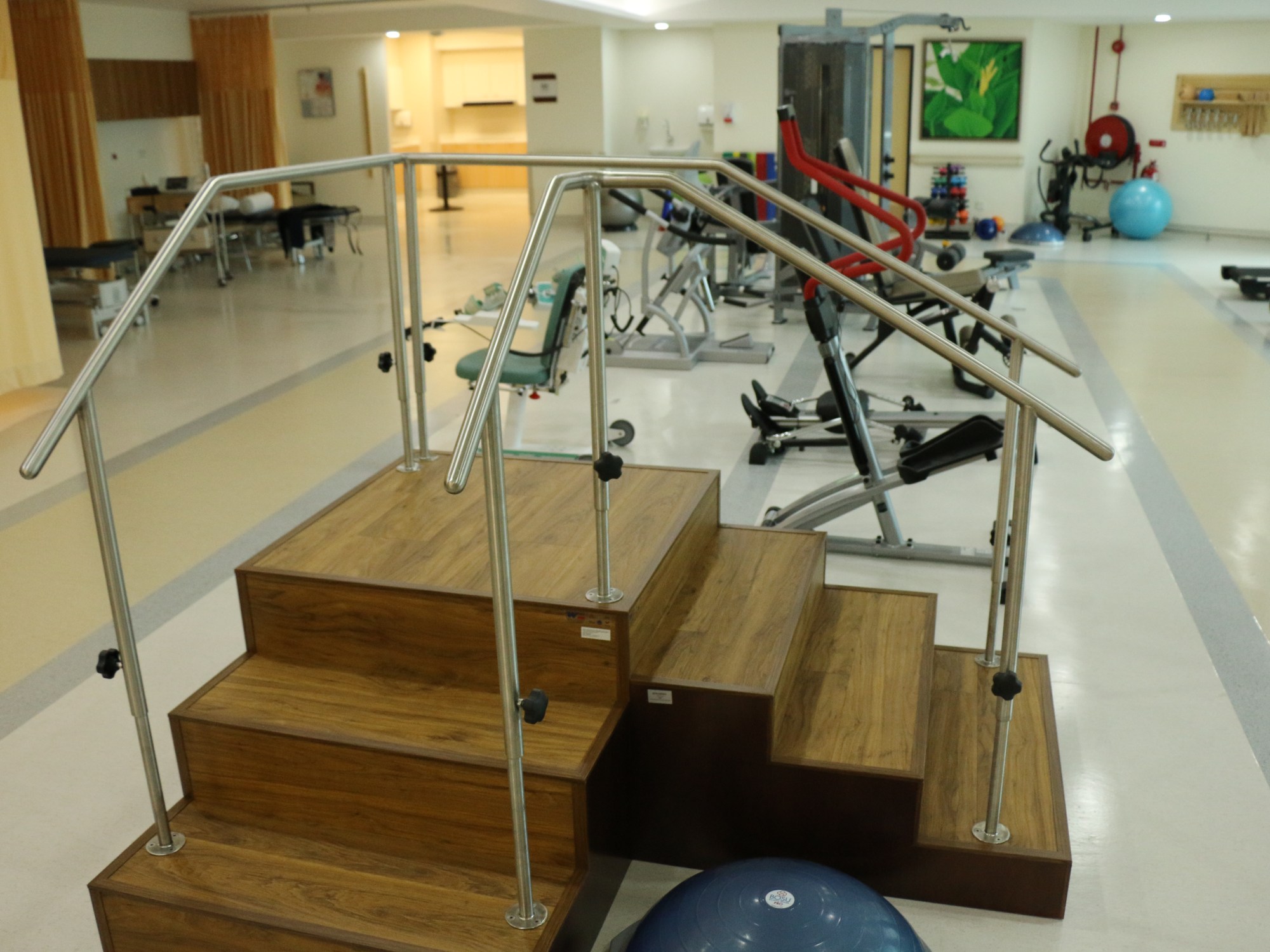
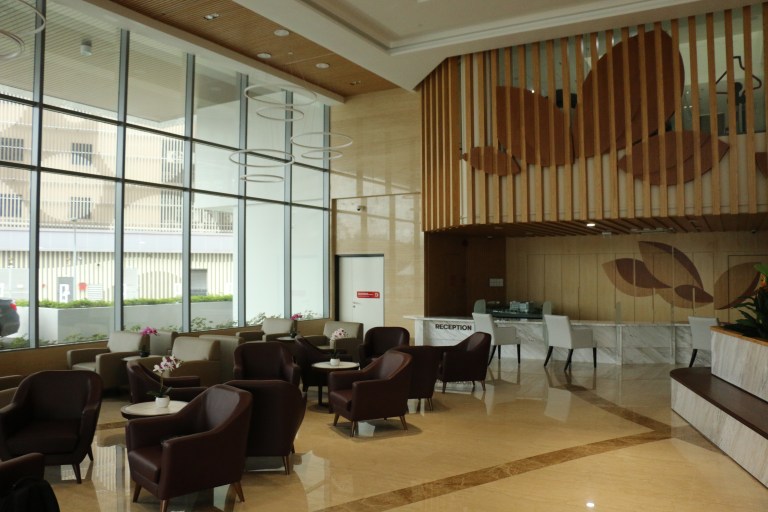
In a glistening lobby that looked like it too belonged in a luxury hotel (a common theme among Southeast Asian private hospitals), we met with the executive team of ReGen Rehabilitation International. A private specialty hospital providing inpatient and outpatient rehabilitation medicine for everyone from a 19 year old Pakistani medical tourist to professional badminton players to a one hundred year old who “wanted to get stronger”.
For those unfamiliar this medical specialty,
“Rehabilitation Medicine is a specialty branch of medicine that aims to enhance and restore functional ability and quality of life to those with physical or cognitive impairments and disabilities.”
Think stroke victims, those with Parkinson’s’ disease, or anyone requiring physical and/or occupational therapy. While the initial costs of an inpatient stay are higher, a study by the Royal College of Physicians and the British Society of Rehabilitation Medicine demonstrated that despite a longer length of stay for rehabilitation and higher treatment costs, the time taken to break even with the initial cost of rehabilitation was only 16.3 months for those with high acuities, which saved an average of £639 per week for this group. The most meaningful advantage, however, comes for the patients, who have a higher quality of life through improved physiological operations such as speech or mobility.
Despite these advantages, ReGen joins only a small pack in Southeast Asia. Regional healthcare powerhouses Singapore and Thailand each boast a set of independent rehabilitation centers, most countries have none, and Malaysia only has ReGen. Public awareness and lack of funding help explain the void. While 150 individuals from the public attended ReGen’s last month’s Parkinson’s Wellness Recovery session, most in Malaysia are not aware of rehabilitation as an offering. The larger, challenge, however, lies in reimbursement. Most insurance companies and the government do not see the value in rehabilitation yet, and other Southeast Asian countries have more pressing challenges (as outlined in previous posts of ours).
Still, ReGen is meeting with government and insurance representatives, and expect that this may change within the next few years as the movement gains momentum. Rehabilitation in general, and particularly in Southeast Asia is only just beginning, and ReGen has found themselves on the front end of it.
 Elly & Josh