“This is where Bollywood’s stars go to get care” our taxi driver told us.
We met with Dr Rajendra Patankar, Nanavati Super Specialty Hospital’s Chief Operating Officer, and learned a bit more about why. After spending his career building health systems from the ground up, over the last few years at Nanavati he built into the hospital a cultural of continuous improvement, and with us shared three examples of those improvements. He shared about how they studied the patient journey through the hospital, and created a “170 patient touchpoint matrix” to identify the different interactions the patient will have with the hospital. The team implemented changes like valet parking as a result. Like many other hospitals in Asia, Nanavati’s physicians used to split time between multiple hospitals. While advantageous for their salary, this hurt continuity of care for patients, and created an administrative nightmare. Dr. Patankar gave physicians an ultimatum: take additional pay and stay at Nanavati full time, or seek employment elsewhere. Last, he also appointed floor administrators, or “floor CEOs” who administratively oversee 20-30 beds in the hospital, which has led to significant operational improvements across the hospital.
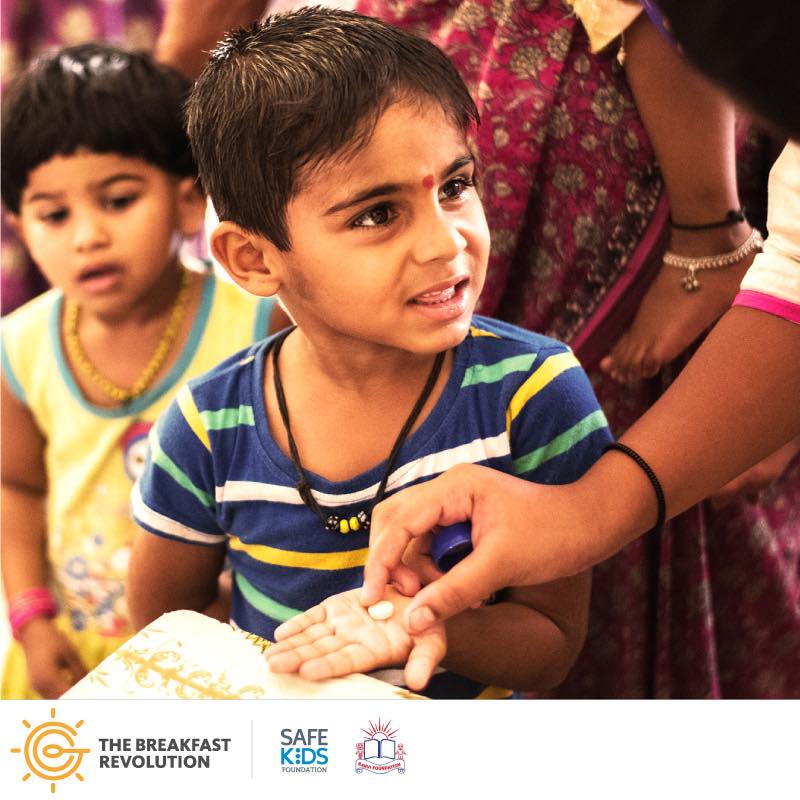
The examples, however, of internal innovations do not stop with private hospitals serving the country’s more well-off. We stayed with the mom of a classmate of mine from business school, who runs, among other enterprises, The Breakfast Revolution (TBR). My friend Pankaj Jethwani saw a need while working as an outpatient physician at Mumbai’s J J Hospital, and like Dr. Patankar, did something about it. He noticed malnutrition in many of his patients, and digging further found that India loses 500,000 lives each year due to treatable malnutrition, contributing to one of every two child deaths in the country. In response, he founded the Breakfast Revolution, whose program uses nutrition science and behavior change communication to provide affordable, tasty, and nutritious food offerings to students across India. The locally sourced foods cost 15 cents per meal, and offer 2.5x the protein of eggs.
Dr. Patankar and Pankaj are just two examples of many intrapreneurs across the country we met who have challenged the prevailing healthcare status quo, and have improved the patient and physician experience as a result.
 Elly & Josh